Now I know what I am missing here in America... the Indian Express reports on a small incident that happened in Gurgaon while i was away - read the full story here.
Dr. Amit Diwan, a radiologist at a Gurgaon hospital, was parking his car at his Sector 10-A house when a speeding Tata Safari, bearing a Faridabad number, scraped it, police and eyewitnesses said. As Diwan objected, the driver of the Tata Safari reversed it and hit him. “The car then tried to speed away, but my son caught hold of the fender and was dragged for over 150 metres. The vehicle also hit a rickshaw and injured two other persons,” said Amit's father BR Diwan. When one its tyres burst, the occupants abandoned the vehicle.
Showing posts with label Gurgaon. Show all posts
Showing posts with label Gurgaon. Show all posts
Tuesday, October 24, 2006
Tuesday, August 01, 2006



Friday, March 31, 2006
reporting something i heard
a colleague of mine hails from the countryside in Haryana. She was telling me yesterday about how she had just heard of a sad incident. In her village, a 47 yr old man committed suicide by hanging himself from a tree. He had earlier been employed in a small factory but that had closed down some time ago, leaving him dependent on his farm. This year, the unseasonal rain played havoc with the standing crop. Faced with the mounting pressure of ekeing out a living from the soil, he took his own life by hanging himself. He left behind a wife and two children.
The tragedy is unfolding closer and closer to us. Haryana is one of the richer states in India and if its starting to happen here, I shudder to think what it must be like everywhere else.
Oh, and the stock market continues its meteoric rise, breaking all records.
The tragedy is unfolding closer and closer to us. Haryana is one of the richer states in India and if its starting to happen here, I shudder to think what it must be like everywhere else.
Oh, and the stock market continues its meteoric rise, breaking all records.


Tuesday, March 07, 2006
spotted in Gurgaon
I saw a peacock today... sitting on the branch of a bare tree....facing away from me.
His long tail hanging down like a magic carpet...a splash of color amid the brown earth and grey sky...
Had been to my friends village on the outskirts of Gurgaon, and peacocks are common there. His sister-in-law scatters grain in the courtyard of her house everyday and they come to feed. They are her friends. Today that house and courtyard are being broken down to make way for a new house. I had gone along with my friend to take a look and give my views on how the new house should be. We sat discussing while in the background were the dug-up courtyard, a few scattered household possessions and the thud thud of the workmens tools. The family had gone off to stay in a small new house nearby while this one is rebuilt. An old village house, with mud walls, roofs of wooden beams supporting stone slabs and a brick lined courtyard would soon be no more. In its place, a modern house would come up, with hot running water and modular kitchens and air-conditioning. What would happen to the peacocks I wondered.
And then on my way back, I saw the peacock on the tree, its tail of blue green gold and red, sitting on the branch, waiting for us to hurry up and build the house, so his friend could return and scatter grain and the peacock club could hold its regular afternoon meetings again.
His long tail hanging down like a magic carpet...a splash of color amid the brown earth and grey sky...
Had been to my friends village on the outskirts of Gurgaon, and peacocks are common there. His sister-in-law scatters grain in the courtyard of her house everyday and they come to feed. They are her friends. Today that house and courtyard are being broken down to make way for a new house. I had gone along with my friend to take a look and give my views on how the new house should be. We sat discussing while in the background were the dug-up courtyard, a few scattered household possessions and the thud thud of the workmens tools. The family had gone off to stay in a small new house nearby while this one is rebuilt. An old village house, with mud walls, roofs of wooden beams supporting stone slabs and a brick lined courtyard would soon be no more. In its place, a modern house would come up, with hot running water and modular kitchens and air-conditioning. What would happen to the peacocks I wondered.
And then on my way back, I saw the peacock on the tree, its tail of blue green gold and red, sitting on the branch, waiting for us to hurry up and build the house, so his friend could return and scatter grain and the peacock club could hold its regular afternoon meetings again.
Wednesday, January 11, 2006
the cold was the last straw
its a cold day here in gurgaon...in the north of India at this time, temperatures hover around freezing point.....the cold winds blow down from the mountains and make things distinctly uncomfortable.
Last night, the guard at our office was telling me about the labour problem here. How the migrant labour from impoverished parts of india is flooding into Delhi and driving labour rates down. The government approved rate for a monthly wage for a labourer in Gurgaon is 2400 rupees. Thats about 50 dollars a month. Now this labourer has come here seeking work, so he can pull his family back home out of starvation. So saving money is a priority for him. Companies here, do not directly employ labour, but rather operate through private contractors.
These contractors, typically pay a labourer about 1500 rupees a month, about $30. The rest of the money stays with them as their profit margin. Its fair, I guess, since they too are in business, and need to make their money. In gurgaon, there are small villages on the outskirts where residents have built rooms. These rooms are about 8 to 10 feet long and wide with a window and door. There is no central heating or electricity apart from a fan and electric bulb. The doors do not fit snugly, the walls are damp, sunlight is rarely seen, air comes in through spaces between the roof and wall. In almost freezing temperatures, with a west wind blowing down as if straight from Afghanistan, this is not so much a room, as a cardboard box. And that too one with holes.
There is a common bathroom and lavatory which is shared by a row of rooms. The same landlord usually also has a grocery shop somewhere nearby. Migrant labour rents these rooms. If you rent a room with an asbestos roof, its 1000 rupees a month, if with a concrete roof its 1200 - 1500 rupees a month. Usually 2-3 labourers share a room. So out of the 1500 they get, they first pay off about 400 rupees as rent. They buy groceries and necessities from the grocery shop on credit and settle when they get their pay. So after paying the rent, they pay the storekeeper. By this time they are pretty much left with nothing. Then comes the task of surviving till the next paycheque. Also some money has to be sent home.
In such a situation, with sometimes the labourers not getting work everyday, things get pretty grim. There isnt much margin for error. An illness, a little indulgence, a theft of a bicycle, the wearing out of shoes or clothes ...all can throw your monthly budget out of balance. Things keep running solely on the amount of overtime pay you can get.
So considering this background, the story the guard told me was not unexpected or unusual. But it is a story, and a short one.
A daily labourer, from Bihar, worked the morning shift in his job. Then he worked the evening shift. He came back to his room at 2 am. Went to sleep. Never got up.
Turns out he didnt have a blanket.
Probably thought of buying one in november, but then that would cost him 300 rupees. So thought, will do it in December, when its colder. Till then lets manage with a couple of old bedsheets. And when it got very cold, it was the end of the month...and so on and so forth. Probably wasnt eating very well too, if u work 16 hours a day, money must be tight. And eating costs money. Since they buy groceries on credit, they usually are overcharged and cheated in terms of quality and weight of goods purchased.
Anyways, our brave little soul, one of the countless migrants to delhi, met a cold end. He didnt have a blanket.
He was a few miles away from my house....but he could have been in another world.
________ - X - X - ______________
an article about the cold and homeless in delhi
Last night, the guard at our office was telling me about the labour problem here. How the migrant labour from impoverished parts of india is flooding into Delhi and driving labour rates down. The government approved rate for a monthly wage for a labourer in Gurgaon is 2400 rupees. Thats about 50 dollars a month. Now this labourer has come here seeking work, so he can pull his family back home out of starvation. So saving money is a priority for him. Companies here, do not directly employ labour, but rather operate through private contractors.
These contractors, typically pay a labourer about 1500 rupees a month, about $30. The rest of the money stays with them as their profit margin. Its fair, I guess, since they too are in business, and need to make their money. In gurgaon, there are small villages on the outskirts where residents have built rooms. These rooms are about 8 to 10 feet long and wide with a window and door. There is no central heating or electricity apart from a fan and electric bulb. The doors do not fit snugly, the walls are damp, sunlight is rarely seen, air comes in through spaces between the roof and wall. In almost freezing temperatures, with a west wind blowing down as if straight from Afghanistan, this is not so much a room, as a cardboard box. And that too one with holes.
There is a common bathroom and lavatory which is shared by a row of rooms. The same landlord usually also has a grocery shop somewhere nearby. Migrant labour rents these rooms. If you rent a room with an asbestos roof, its 1000 rupees a month, if with a concrete roof its 1200 - 1500 rupees a month. Usually 2-3 labourers share a room. So out of the 1500 they get, they first pay off about 400 rupees as rent. They buy groceries and necessities from the grocery shop on credit and settle when they get their pay. So after paying the rent, they pay the storekeeper. By this time they are pretty much left with nothing. Then comes the task of surviving till the next paycheque. Also some money has to be sent home.
In such a situation, with sometimes the labourers not getting work everyday, things get pretty grim. There isnt much margin for error. An illness, a little indulgence, a theft of a bicycle, the wearing out of shoes or clothes ...all can throw your monthly budget out of balance. Things keep running solely on the amount of overtime pay you can get.
So considering this background, the story the guard told me was not unexpected or unusual. But it is a story, and a short one.
A daily labourer, from Bihar, worked the morning shift in his job. Then he worked the evening shift. He came back to his room at 2 am. Went to sleep. Never got up.
Turns out he didnt have a blanket.
Probably thought of buying one in november, but then that would cost him 300 rupees. So thought, will do it in December, when its colder. Till then lets manage with a couple of old bedsheets. And when it got very cold, it was the end of the month...and so on and so forth. Probably wasnt eating very well too, if u work 16 hours a day, money must be tight. And eating costs money. Since they buy groceries on credit, they usually are overcharged and cheated in terms of quality and weight of goods purchased.
Anyways, our brave little soul, one of the countless migrants to delhi, met a cold end. He didnt have a blanket.
He was a few miles away from my house....but he could have been in another world.
________ - X - X - ______________
an article about the cold and homeless in delhi
Thursday, December 29, 2005
Gurgaon - Jaggery Village
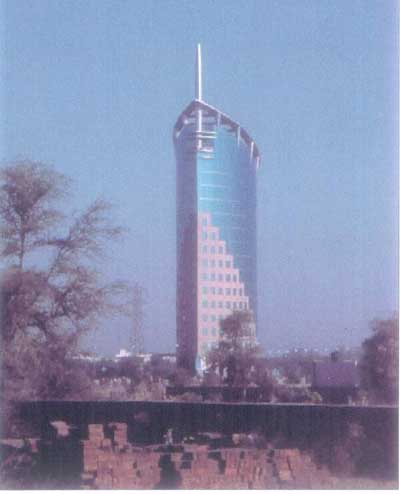
Gurgaonhas a lot of potential. And by and large it offers a lot of advantages in comparison with other business hubs. In north india, I think this is the only relatively clean and decongested business hub with easy access to international airports, good hotels and well constructed and maintained office infrastructure. As a thumb rule, 1 square foot of office space added in a city requires 7 sq ft of residential space and in that respect Gurgaon seems to have a good enough plan. The available office and residential space is meeting the current growth rates and there seem to be no bottlenecks. In terms of connectivity and roads, it is good enough by Indian standards, and I dont think we should be comparing it to Singapore yet. The other factor that I found good in Gurgaon as compared to Noida is the work culture. It might be surprising to some, but my experience has been rather positive, the roadside mechanics, the rickshaw pullers, the small eating places and sundry small scale businesses are mostly hardworking and honest and do not attempt to rip you off or overcharge. There also seems to be less criminalisation and goonda'ism, though I admit, UP is not a good benchmark to compare. Also most areas are supplied with good drinking water by HUDA from its water treatment plant and the drains are mostly not stinking and uncovered like in Noida. There are wide open spaces, greenery and less open garbage. Electricity is a problem but nowhere as bad as in Noida, but worse than in Delhi/Mumbai/Bangalore. The streets feel safer too than Noida.
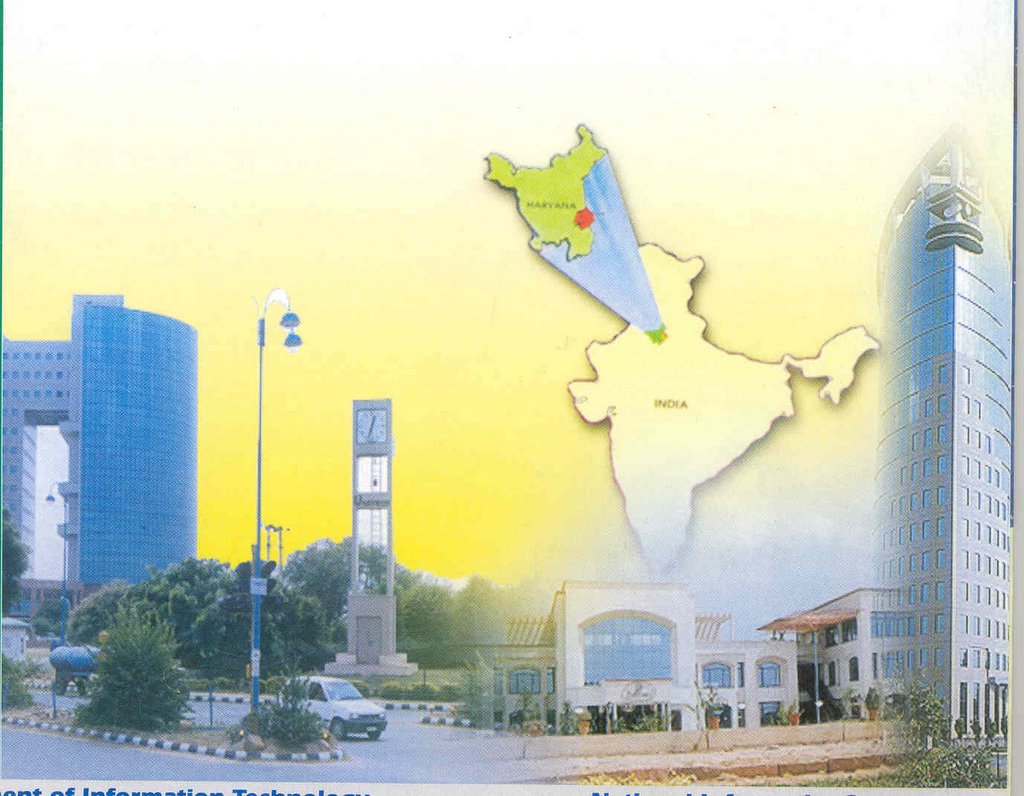
I had occassion to visit the nearby villages and I found them to be relatively prosperous and vibrant. The road and electricity network too was not bad at all. This is where I feel that Gurgaon might actually derive strength and grow. Unlike Bangalore or Hyderabad with starving farmers in the countryside around it, there is development spread out into the countryside too and the living standards are not bad. The people native to this area too are healthy and hardworking with a lot of pride and self respect. I think the only problem that can trip this growth up is either a water crisis ( since local sources of water are rare) or a power grab by vested interests and a breakdown in law and order. Electric supply too seems to have reached a critical point and it is a very crucial time now, as either it will get worse and go the Noida way or improve towards Delhi conditions.
I hope the government realises that most of this growth is from carpet-baggers, the floating capital and working class, which can anytime pack its bags and move on to the next new destination.
Subscribe to:
Posts (Atom)